
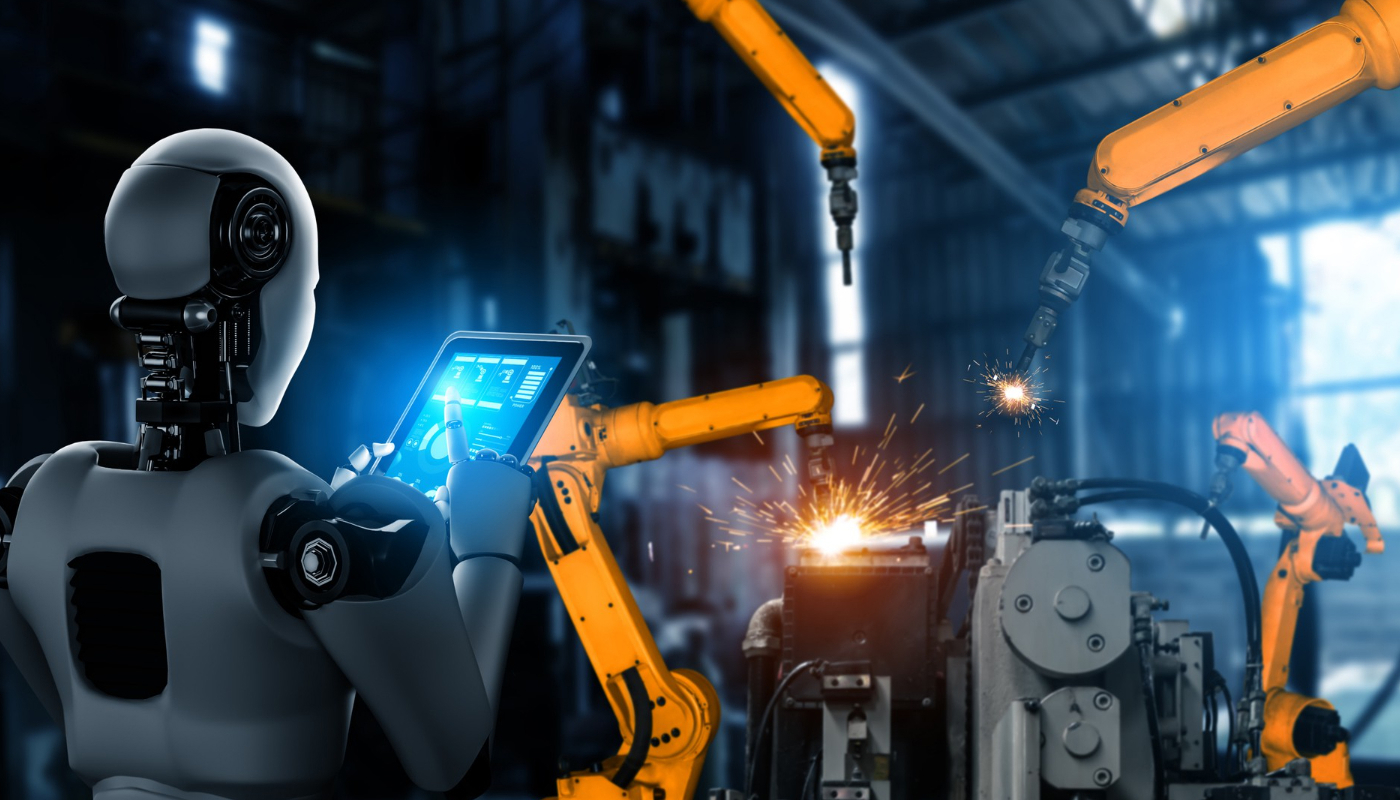
A decade ago, phrases like “agentic AI” and “cognitive commerce” seemed futuristic–buzzwords tossed around boardrooms and trade shows. These days, they are changing how companies and B2B executives manage the swarming digital ecosystems, rather than just shifting products. The reality is that if the Product Information Management (PIM) and Digital Asset Management (DAM) methods are outdated from the days of processes, they’ll be unable to handle the mental demands of the future.
From static Storage up to Intelligent Orchestration
The traditional PIM as well as DAM systems were developed to ensure compliance, control, and central storage, not flexibility and anticipation or autonomous decision-making. The rise of AI agents — systems that make rational decisions and take action independently — is propelling manufacturers away from the boundaries of content stewardship to full-scale content orchestration.
In the manufacturing industry, even tiny SKU inaccurate data or out-of-date compliance assets can ripple through supply chains, causing costly damage. Imagine AI agents who are autonomously searching for and validating, and enriching, then distributing and even deleting product data–all the while constantly adapting to market changes as well as regional regulations and localization demands.
Industry-specific challenges: Where Legacy Systems Falter
Manufacturers face complexity that most software vendors skim over. Take multilingual launches of products across the globe: DAM platforms that only “hold and distribute” assets are unable to meet the pressure of simultaneous localization, as well as legal compliance and multichannel delivery. Take AI-driven commerce engines that aim to enhance customer experiences. If your PIM cannot provide real-time product information or digital twins, these goals hit the wall of bricks.
Many companies put off modernization by claiming that PIM/DAM upgrade plans are “on the road.” In actuality, this usually requires patching old systems with weak integrations, which can result in costly technical debt as well as impaired operations.
Deep Dive advanced use cases unlocked through Agentic AI
Let’s discuss specifics:
- Automated Compliance to Regulatory Laws: Imagine the power of agentic AI continuously evaluating attributes of your product against local laws, and actively updating the labeling of assets within your DAM without any human involvement.
- The Supplier Data Reconciliation process: Stop waiting for weeks for approvals from suppliers. Agentic AI checks external feeds, cross-verifies, and resolves any discrepancies by calling the relevant parties, and updates all downstream systems–ERP portals, e-commerce, ERP–in just hours rather than months.
- Customized Customer Asset: Curation Cognitive commerce is the process of delivering catalogs of products customized to meet the needs of customers, rs polic, or regions, as well as purchasing rules. A PIM+DAM machine powered by AI will automatically put together exact bundles of datasheets, ph,otos prices, certifications, and other information that are ready for the next time a buyer interacts with you.
Rethinking Integration Beyond AI Add-ons
Integrating agentsic AI in your personal information management system or DAM doesn’t mean just adding AI modules over outdated databases. It’s all about creating a live and adaptable digital base. The most important considerations are:
- Data Model Enhancement: Does your PIM’s data structure allow for the complex taxonomies and relationships required to support contextual AI reasoning?
- The Workflow Reengineering Process: Are your workflows capable of adapting to AI-driven decision making, or do manual bottlenecks impede agility?
- Interoperability: Will your DAM effortlessly communicate with the expanding range of devices, apps, and digital touchpoints, without being an isolated unit?
Why should you act now? The cost of putting off action
Manufacturers who aren’t willing to embrace artificial intelligence-powered DAM and PIM and DAM are at risk of falling behind the fast-moving companies that see these systems not as a burden but as strategic assets. The use of agentic AI transforms the management of data from a back-office task into a competitive lever that allows agile supply chains, flexible revenue models, in addition to market segmentation.
The future leaders in the industry are those who reinvent the PIM and DAM structures as AI-native platforms and set new standards for digital agility, similar to how their predecessors set standards for operational efficiency.
Are you ready to lead in the Digital Manufacturing Revolution?
If bottlenecks from the past and growing demands for cognitive commerce are in line with your situation, the time to take action is now. Staying with the same infrastructure that you have in place for years is a way to stagnate. For those who have a plan to create dynamic, agentic-ready PIM as well as DAM bases, Pimcore offers a proven route to take.
Don’t just keep pace. Design your future in manufacturing using equipment designed to be the first to innovate, lead, and challenge.