
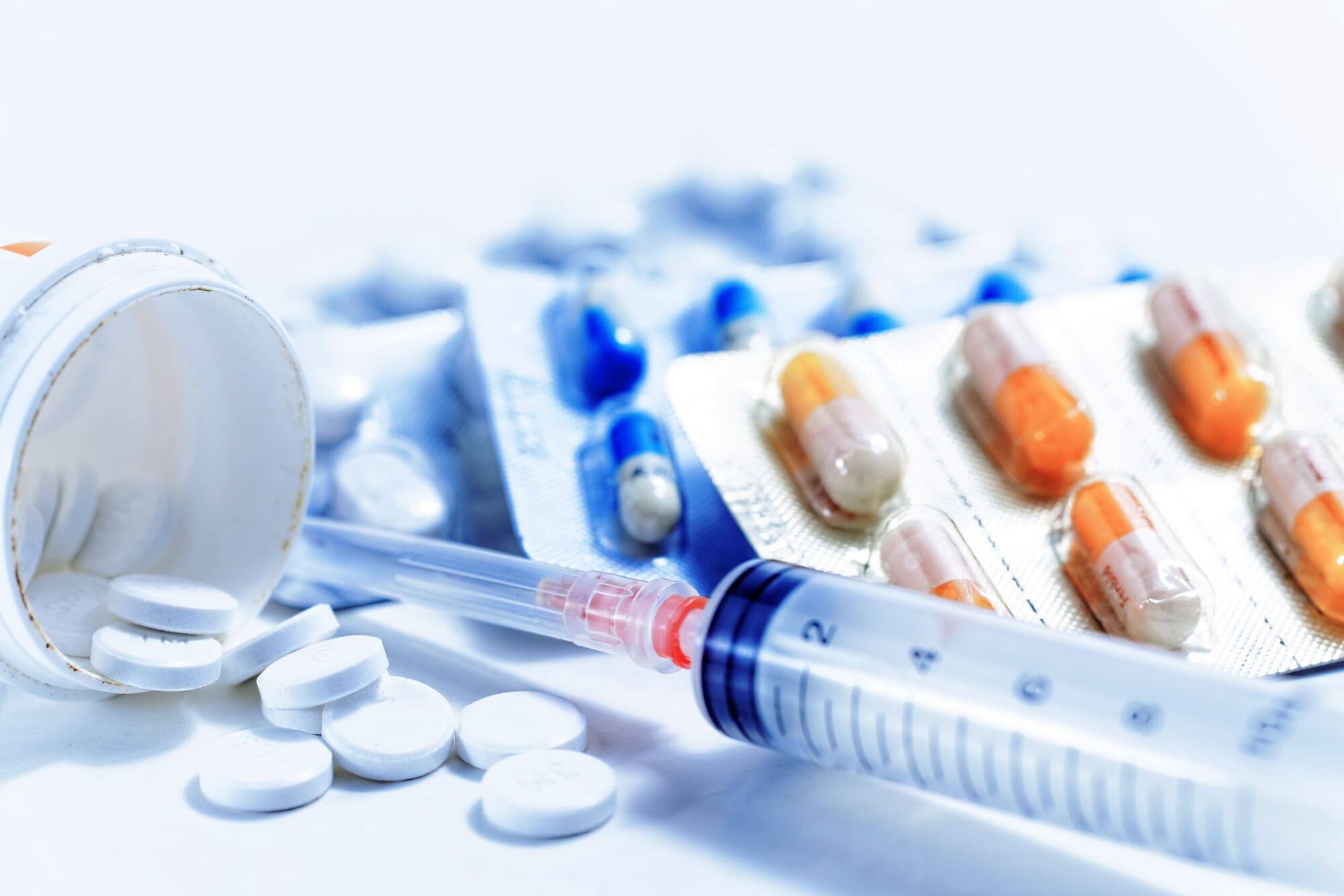
There are times when it appears that there are more medications than diseases and it is sometimes difficult to keep track of them. Certain medications can be purchased from pharmacies and other shops. Some require a prescription from a physician. Certain prescriptions are only available in hospitals.
Table of Contents
What Are Medicines?
The term “medicine” refers to chemicals or substances that are used to treat, stop or prevent illness as well as ease symptoms. aid in diagnosing ailments. Modern advances in medicine have allowed doctors to treat a variety of diseases and help save lives.
Nowadays, medicine comes from many sources. Some were developed using natural substances, and today, many come from plants.
Certain medicines are created in laboratories through mixing several chemicals. Some, such as penicillin, are byproducts from organisms like fungus. Some are genetically engineered through the introduction of genes into bacteria to allow them to produce the desired chemical.
When we think of taking medication, we typically imagine pills. However, medications can be administered in a variety of ways, like:
- The liquids are taken in
- drops are inserted into the eyes or ear canals
- creams, gels or ointments which are applied on the skin
- Inhalers (like the nasal sprays and asthma inhalers)
- patches that adhere to the skin (called transdermal patches)
- tablets are placed under the tongue (called sublingual medicine and the medication is absorbed by blood vessels before it enters the bloodstream)
- Injections (shots) as well as intravenous (inserted into the vein) medications
The sale of any medicine is not permitted until it has been accepted from FDA. U.S. Food and Drug Administration (FDA). The manufacturers of the medicine test every new medicine and submit their results to FDA.
The FDA permits new medications to be utilized only when they are effective and as long as they’re safe. If the benefits of a drug outweigh the risks associated with it The FDA generally approves the use of the medication. The FDA may also remove a medication off the shelves at any point in the event that it is later found to trigger negative unwanted side effects.
Different Types of Medicines
Medicines work in many ways. Certain medications can help treat disease by stopping or killing the spread of germs like viruses and bacteria. Some are employed to fight cancer by killing the cells as they divide, or stopping the growth of cancerous cells. Certain medications substitute for lacking substances or correct deficiencies in natural body chemicals, such as certain vitamin or hormones. Drugs can affect certain areas in the nerve system which control an individual’s body’s functions.
A majority of people have used an antibiotic. This kind of medicine fights bacteria that cause infections. The doctor might prescribe antibiotics for conditions such as the strep throat or an ear infection. The antibiotics kill bacteria or stopping their proliferation to ensure your body’s immunity will be able to fight the infection.
Sometimes, a specific organ or part of the body is unable to produce enough chemical. This can make you sick. A person with diabetes that is insulin dependent, for example suffers from a pancreas that isn’t producing adequate insulin (a hormone that regulates glucose levels in the human body). There are some people who have low manufacturing of the thyroid hormone which regulates the way that the body utilizes energy. In every case, doctors may prescribe medications to replenish the hormone that is missing.
Certain medications treat symptoms, but they don’t cure the disease that is causing the symptoms. (A sign of a symptom is something you experience while sick, like nausea or cough.) A lozenge can help soothe a sore throat but it’s not enough to kill that harmful strep bacteria.
Some medicines relieve pain. If you pull a muscle your physician may tell you to take acetaminophen or Ibuprofen. These painkillers (also known as analgesics) do not eliminate the root of the problem and your muscle will remain pulled. They block the pathways that carry messages of pain from an irritated or injured organ to your brain (in other words, they alter how the brain processes signals from pain) to ensure that you don’t suffer more while your body heals.
As we age often, they develop chronic or long-term illnesses. Drugs can be used to manage things such as the high pressure of blood (hypertension) or high cholesterol. They don’t treat the underlying issue but they do assist in preventing some of its damaging effects to the body over time.
The most significant drugs include vaccines (or vaccinations). They protect people from getting sick from the start by protecting, or immunizing the body from disease-causing organisms. Vaccines generally contain a small amount of an ingredient that is similar to a particular germ or bacteria that has been altered or killed. After a person has been vaccinated, it stimulates the immune system of the body to “remember” the germ, so it can combat infection caused by the bacteria in the future.
The majority of immunizations that protect you from contracting diseases such as measles or whooping cough chickenpox are administered via injection. Everyone thinks that shots are enjoyable. However, the diseases they stop are severe and trigger signs that last for a longer time than the short-term discomfort that comes with the shot. To make life simpler today, you can obtain vaccinations from a variety of pharmacies.
While certain medicines require prescriptions but some can be purchased in the stores. You can purchase many medicines to treat fever, pain or allergies without prescription. Just because a drug is available over the counter (OTC) however, it doesn’t guarantee that it’s safe from adverse consequences. It is important to take OTC medications with the same care as the ones prescribed by medical professionals.
Taking Medicines
Whatever medication the medical professional prescribes, it’s essential to be cautious and adhere to some fundamental guidelines:
- If you are feeling worse after taking a medication, consult your physician immediately.
- Double-check to ensure you’re taking the correct medicine. If you’ve had an same prescription multiple times make sure it’s exactly the same size, shape and color as previous time. If it’s not, be certain to speak with the pharmacist about it.
- Follow the label the directions. If you have any questions, ask a question.
- Follow the prescription exactly. If the directions state to you take a tablet four times a day, do not use two tablets in a day. This isn’t the identical.
- Ask if the medication could affect daily activities like driving or attending classes.
- Take only what is suggested. This won’t help you feel better or heal better faster. In fact, a high dose of medicine could make you sick.
- Follow your doctor’s or pharmacist’s directions. For example, he may advise you to take your medicine along with food to ease the stomach discomfort it may cause, or to take the medication with a full stomach so that it does not hinder the absorption of the medication within your body.
- Do not share prescriptions with any other person even if the person is suffering from the same condition similar to yours. The modern medicines are extremely complex and the dosages are usually determined for the individual’s specific needs. Over- or under-dosing could result in harm. Also, the body of someone else may react differently to same medication (for instance, if a individual is allergic to a component of the medication).
- If you’re taking a medication, but are looking to take something that you can purchase over the counter and ask your pharmacist. There might be a negative interaction between the two medicines.
- Be sure to inform your physician and pharmacist that you’re taking any other medication or herbal supplements, to ensure that they will be able to determine any interactions between your medications.
- Make sure you inform your doctor if you’re pregnant or may be. Certain medications can cause harm to your baby. Be sure to inform your pharmacist or doctor be aware of breastfeeding because certain medications may cause issues with breastfeeding.
- Be aware that drinking alcohol could significantly worsen the adverse negative effects of many medications.
- If you do get sick and think it is the same as before do not decide by yourself that you have a diagnosis and go to the medicine you have left. In fact, taking that medicine to treat another disease may not be effective — and in some cases, it could cause harm. Consult your physician first.
- Make sure you take antibiotics for the complete duration of the prescribed time even if you begin feeling better, to ensure that all the bacteria are eliminated and the infection does not come back.
- Store medicines in original containers labeled with their original labels If possible.
- Do not use medication that is expired particularly prescription medicines.
- Medicines shouldn’t be kept in the bathroom as humidity and heat can alter the effectiveness of the medication. Most medications should be kept at room temperature, and away from direct sunlight. Some medicines need to be refrigerated. Consult your doctor or pharmacist If you’re not certain.
- Make sure that all medicines are safely stored away from the reach of children’s brothers and siblings and pets.
- If you are allergic to any of the ingredients be sure to inform your doctor or pharmacist prior to starting on a new drug.
- If you experience an itch, a rash and vomiting, or experience difficulty breathing after taking an anti-inflammatory medication, notify your parents right away. A difficulty breathing or having hives break out or sudden swelling of the lips, tongue or face organs could be indicators of an extreme allergic reaction Get urgent medical attention immediately.
It can feel like an effort at times. But, medicines are among the most effective treatment options available for various ailments. If you have any concerns about what a medication can do or how you should be taking it, speak to your physician or pharmacist.